聊天

生活垃圾篩分機參考案例

歐洲的現代化生活垃圾回收處理廠——林雪平的回收率極高

這項在瑞典進行的回收計畫,展現了正確的分級篩選對設施整體分揀效能所產生的積極且重要的影響。

SPALECK 篩分機對生活垃圾進行預處理,使後續的分類系統能夠充分發揮其潛力。

SPALECK 回收廠用篩分機,用於對生活垃圾(MSW)進行分類

篩分機

針對 MSW 進行了優化

年產量(公噸)

200.000

回收率

透過篩選實現最大化

專案簡介

Tekniska verken 生活垃圾處理一覽

這是歐洲最先進的家庭垃圾(MSW)分揀系統之一——專為全自動化運作而設計,具備高處理量與最大程度的可回收資源回收率。

客戶

Tekniska verken,林雪平(瑞典)——設備製造商 BANZO Engineering

產業

市政廢棄物處理業者

材質

生活垃圾(MSW)

200,000 公噸/年

流程

全自動生活垃圾處理

參考主題

現代生活垃圾處理的篩分技術

SPALECK 解決方案

執行任務中

Tekniska verken 目前正在使用這些 SPALECK 機器

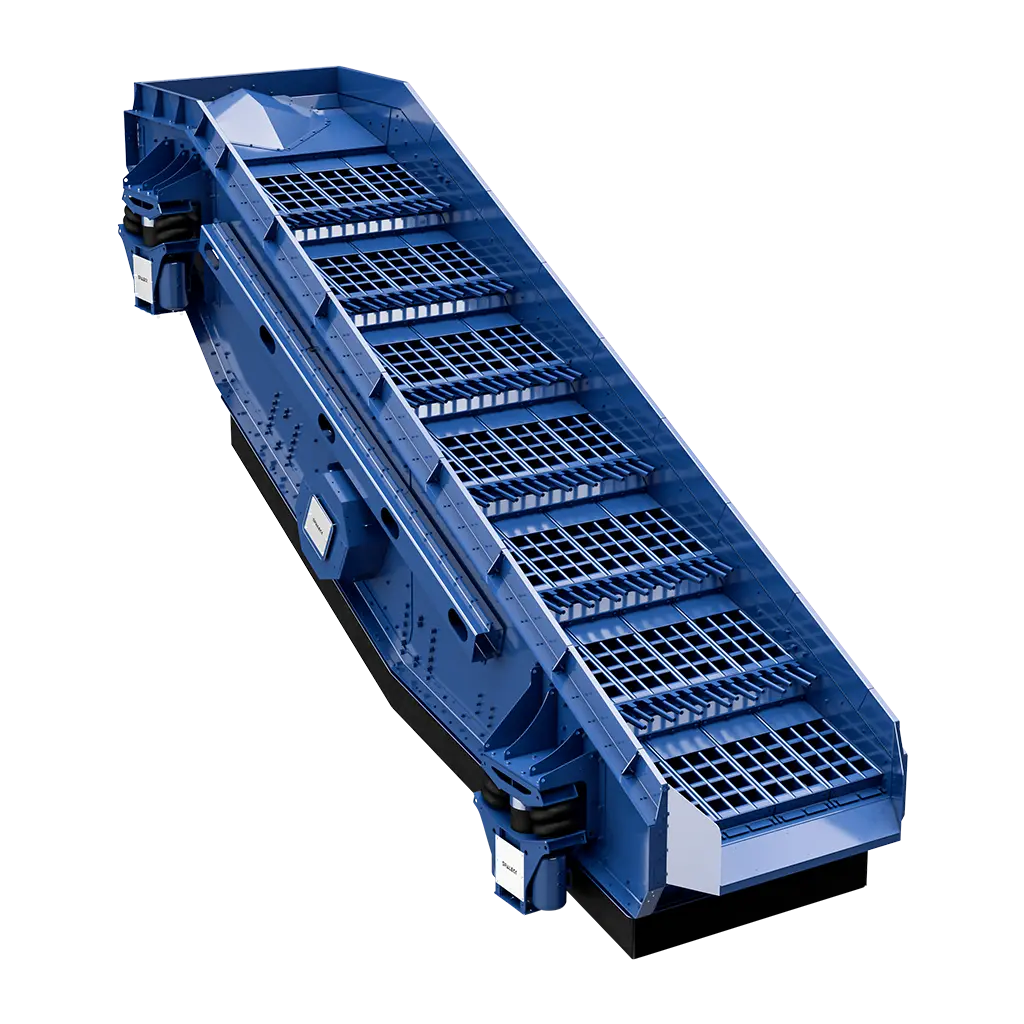
用於分類回收材料的藍色回收篩。

分級篩分

振動篩分機將生活垃圾按預定的粒度進行分級。 目標是為分揀人員提供最理想的原料。

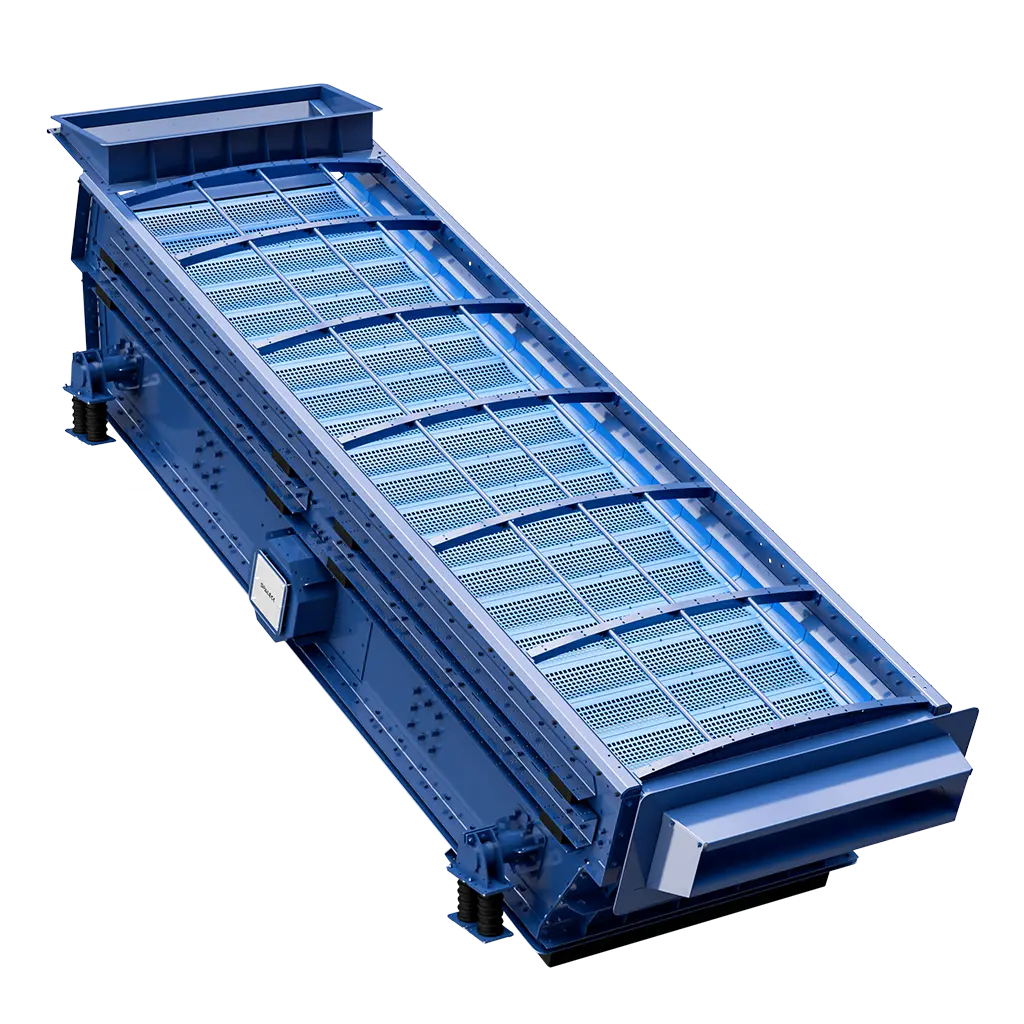
SPALECK 公司的 Flip-Flow 張緊軸篩分機

精細篩分

Flip-Flow 篩分機能將製程中濕黏的細粒物料分離出來,藉此保護分選設備並提高其可用性。

「現況」

對生活垃圾分揀設施的高技術要求

混合生活垃圾是回收領域中處理難度最高的物料流之一。 其成分、含水量及顆粒大小差異極大,因此需要高效且可靠的回收技術。

要實現高效的分類,必須解決多項挑戰:

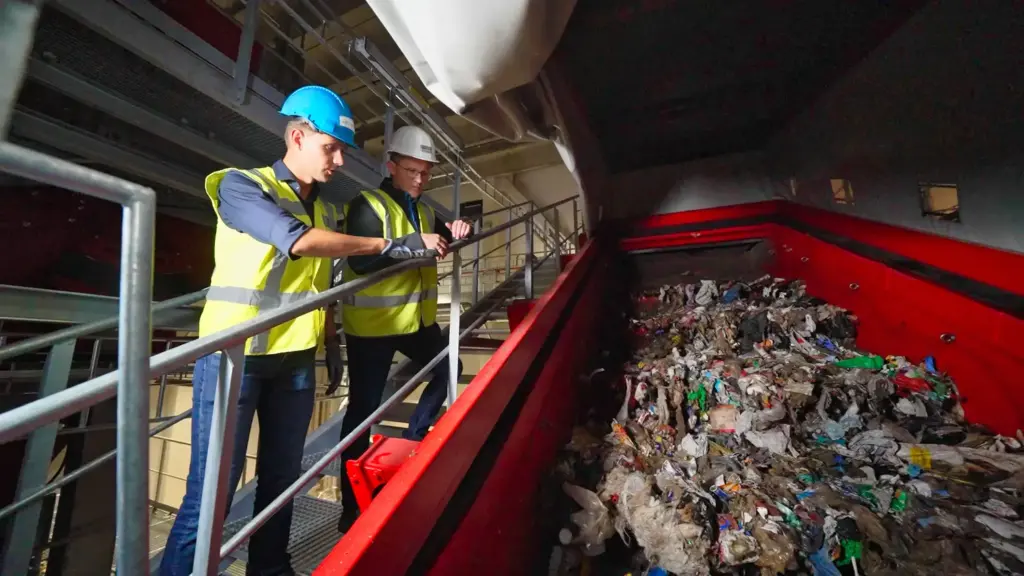
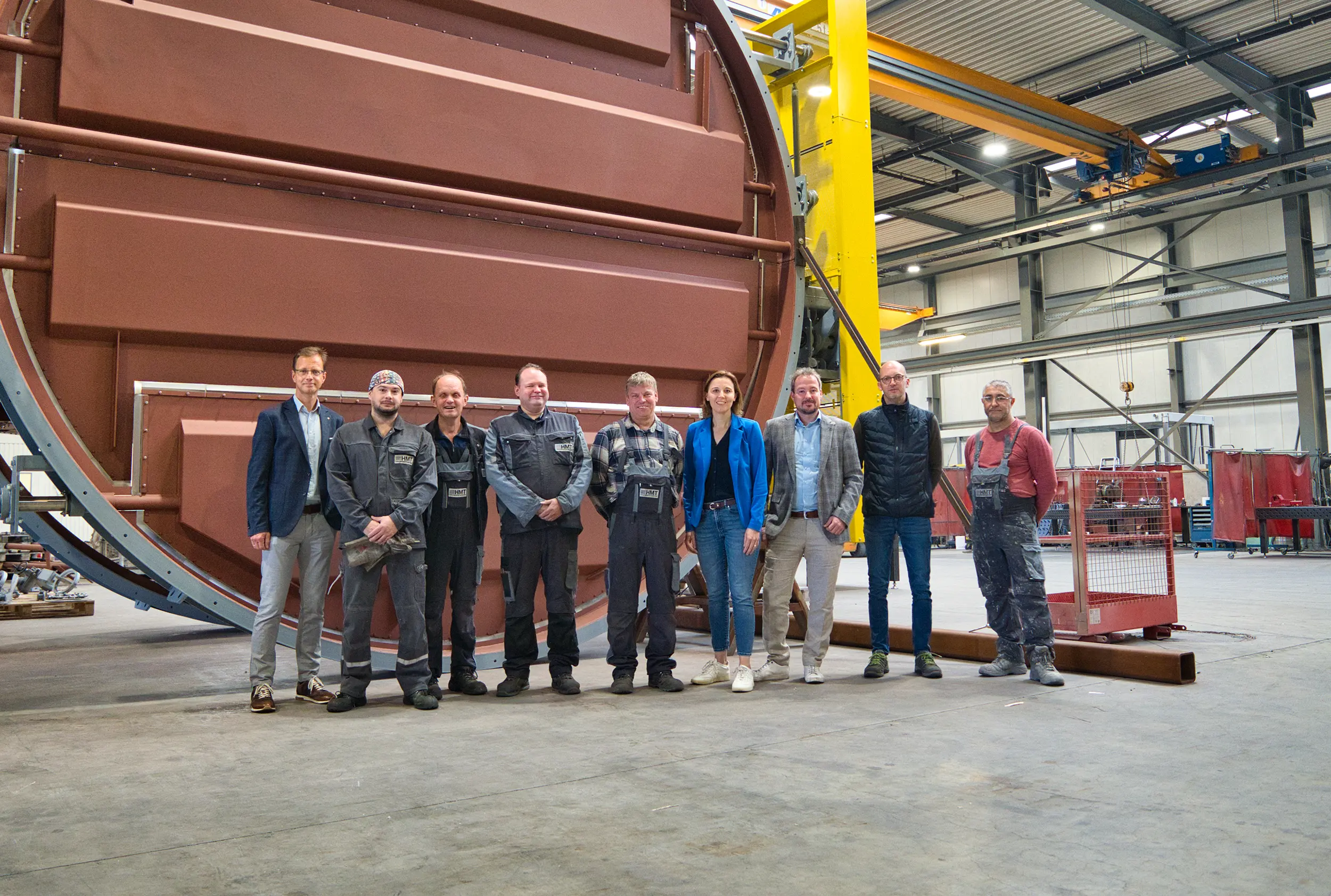
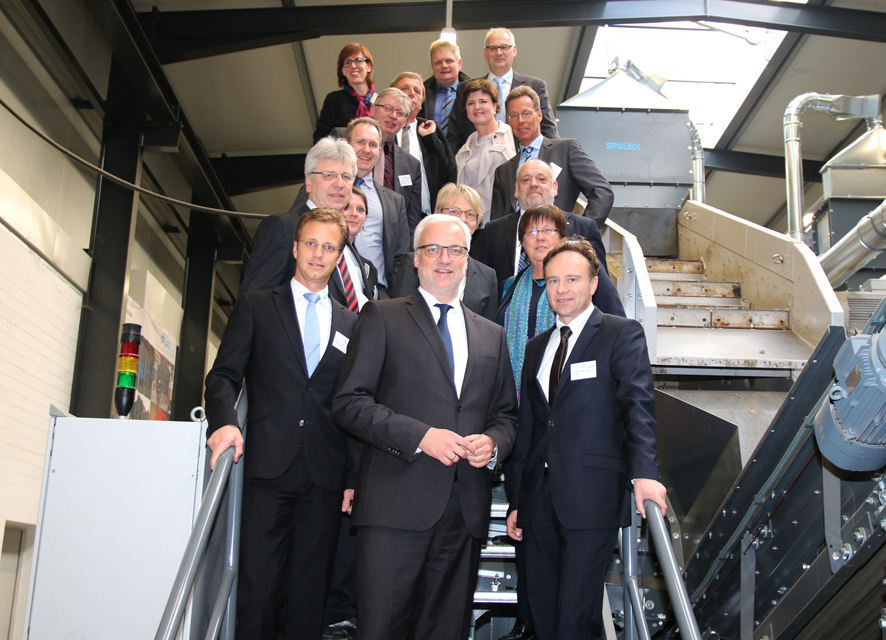
團隊就以篩分機為重點的回收計畫進行討論。
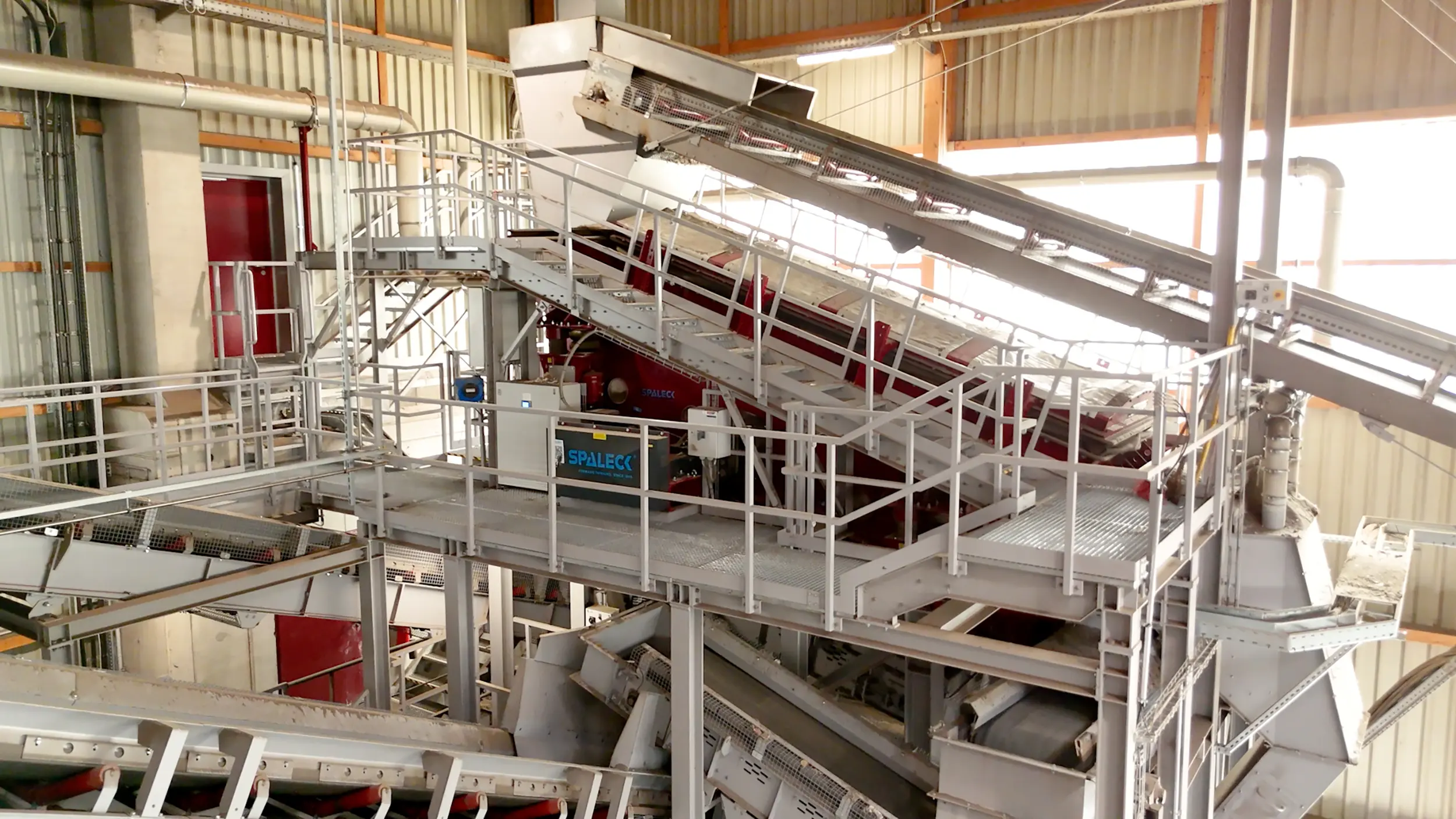
兩位回收專家正俯視著一座位於大型生活垃圾回收廠內的 SPALECK 篩分機。

專案目標

從生活垃圾中實現最大程度的資源回收

林雪平的新廠區是基於明確的目標而規劃的:

處理、篩分與分選的協同作用

MSW回收廠的運作實況

這段影片展示了該設備的設計概念及各製程步驟之間的相互作用——並說明了按粒度分級對分選效能的影響。

You are currently viewing a placeholder content from YouTube. To access the actual content, click the button below. Please note that doing so will share data with third-party providers.

More Information

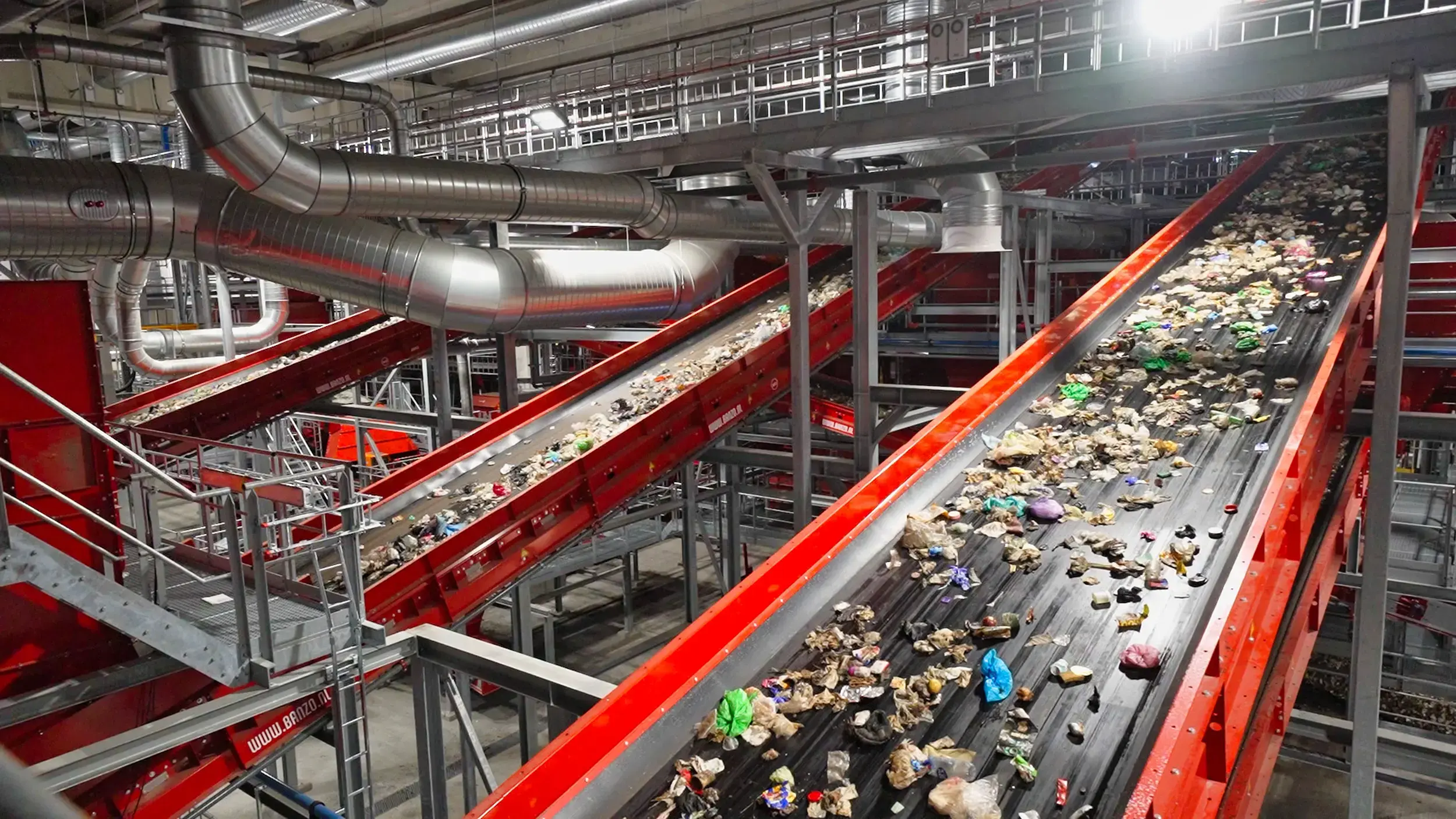
配備輸送帶及廢棄物分揀系統的現代化回收廠。

spaleck 解決方案

四台篩分機負責進行精確的分級,並確保最佳的分類條件

用於分級與細顆粒篩分的篩分機

客戶效益

回收專家如何評價 SPALECK 的生活垃圾回收技術

您的處理流程的「可移植性」

正確的篩分技術是家庭垃圾處理的關鍵成功因素

Tekniska verken 的專案範例顯示,分類在回收過程中扮演著何等關鍵的角色。 根據物料尺寸對物料流進行精確分選,可提升後續磁選機、渦流分選機及近紅外線分選機的效率、處理量與分選品質。

所採用的解決方案可延伸應用於許多其他領域:

位於生活垃圾回收處理廠內,分揀設備前方的張緊軸篩分機(Flip-Flow 篩分機)。 SPALECK 張力軸篩分機可提供篩分精準的物料。 在此,篩除細顆粒有助於後續的感測器分選(Tomra Machine)能發揮最佳效能。
一名男子用箭頭指向智慧型手機,與此相關。

與我們的 MSW 專家交流

現在來討論下一步

您想進一步了解我們用於生活垃圾及社區廢棄物的篩分機嗎? 還是說,你們已經有具體的計畫了呢? 那麼,讓我們來談談您的原料以及生活垃圾處理事宜吧。 我很樂意向您展示更多參考案例與應用實例。 

更多 SPALECK 成功案例

您需要了解的一切

常見問題

以下是關於你在 SPALECK 工作的相關問題。 若仍有任何疑問,歡迎隨時與我們聯繫。

In practice, existing MSW recycling plants are regularly optimized through adjustments. The aim is to continually optimize the sorting process. For us as a Screening machine manufacturer, what counts here is the close, partnership-based exchange with our customers. For example, we pass on our latest technical developments in Screening technology to our customers. In addition, our screening machines are highly customizable thanks to the ModularDESIGN+ concept. You can see exactly how this works in this video “How the right screening technology improves sorting performance in MSW recycling plants.”: https://youtu.be/8IE1C85Ca4c

The design of an MSW recycling plant is very individual. Among other things, this is determined by the material composition, particle size distribution, density and moisture of the material. The required throughput and the recycling targets of the processor are also important. These factors influence the selection of shredding, Screening technology and sorting systems as well as the overall process control. Test centers such as the SPALECK TestCenter, where recycling companies can get to know the material in detail through extensive screening tests and determine the optimum setting for the screening technology even before the system is planned, help with the selection of screening technology. The results of these screening tests are also very helpful for determining and designing the downstream sorting technology.

Precise classification of the material by size improves the Efficiency of MSW recycling plants by increasing sorting accuracy and recovery rates. More recyclable materials can be recovered thanks to defined grain bands. At the same time, downstream units are relieved, which reduces maintenance costs and downtimes.

Different screening technologies are used in MSW recycling plants. These include Recycling Waste Screens for classification, such as the SPALECK Recycling Waste Screen or Flip-Flow screening machines. Special screening technology helps not only to sort the material by size, but also to remove unwanted long parts from the target grain.

Fines are critical in the MSW material flow because they have a negative impact on sorting performance. They attach themselves to larger particles or spread uncontrollably in the material flow. This results in carryover between the fractions and makes detection by sensor-based systems more difficult. If this fine fraction were not screened, e.g. with the help of SPALECK Flip-flow screens, the cleaning effort on the sorting devices would also increase and their efficiency would decrease.

Mixed municipal waste is processed in an MSW recycling plant. This includes everything that is disposed of by private households as Municipal Solid Waste. This includes, for example, plastics, metals, paper and organic components. The material is generally very heterogeneous and places high demands on processing and sorting.

Pre-screening before the Shredder improves the operation of an MSW recycling plant by removing oversize grain from the material flow at an early stage. As the smaller material is screened out during the screening process, only the oversize grain is fed into the shredder. This relieves the shredder, reduces the energy requirement and minimizes wear on the shredding technology. At the same time, the Material flow is prepared more evenly for the further processing steps.

Recovery rates of over 90% are achieved at the MSW recycling plant in Linköping. Plastics are at over 92%, paper at over 93% and non-ferrous metals at over 94%. These good values are achieved through the combination and optimal coordination of Screening processes, material separation and sensor-based sorting within the plant.

Classification by Particle size is crucial for the sorting performance in an MSW recycling plant because sorting devices require an exact Material distribution for physical and process-related reasons. Without classification, for example, overlapping can occur in the material flow. Materials then cover each other up, making detection and sorting by sorting technology difficult or even impossible. Precise grain bands also help to increase the selectivity of the sorting technology.

Screening technology is used in MSW recycling plants to classify the material flow according to Particle size. Oversize grain, fines and long parts are specifically separated. The SPALECK Screening technology used produces very precise material fractions, which can then be optimally processed by the sorting technology.

Municipal solid waste is processed in the MSW recycling plant in Linköping in several coordinated process steps. First, the material is classified by size using screening machines. Oversize grain is shredded in parallel to the Screening process. The fractions are then separated using magnetic separators, eddy current separators and NIR and XRT systems.

The special feature of the MSW recycling plant in Linköping is that it combines high Throughput with very high recovery rates and can be operated fully automatically. Within the plant, the material flows are specifically processed through the Screening process and, in some cases, shredding. The SPALECK screening machines used produce precisely defined grain bands that enable precise separation by eddy current sorters, NIR and XRT sorters.

準備好迎接更完善的篩檢

我們將攜手為您優化回收流程