聊天

電子廢料篩分機參考型號

最先進的廢電器電子產品(WEEE)回收廠——Immark 採用 SPALECK 篩分技術

Immark 進行的這項回收專案,展現了在電子廢料處理過程中,精確的分級、細粒分級篩分以及物料輸送,對於最終產品品質所產生的關鍵影響。

所採用的SPALECK 篩分與輸送技術,能將電子廢料進行預處理,使後續的分類系統得以極具經濟效益地處理各類純淨的分類物料。

歐洲最先進的電子廢料處理廠之一所配備的大型 SPALECK 3D COMBI 篩分機

篩分機

針對《廢電器電子設備指令》(WEEE)進行優化

細顆粒含量

< 相距 8 毫米

材料純度

透過篩選達到最大化

專案簡介

新建一座廢電器電子產品(WEEE)回收廠

瑞士擁有全球最先進的電子廢料處理廠之一,該廠致力於實現高材料純度,並採用最高效且最具經濟效益的處理流程。

客戶

Immark AG,雷根斯多夫(瑞士)

產業

電子廢棄物回收

材質

電子廢棄物與廢舊電子設備

流程

全自動 WEEE 處理

參考主題

透過篩分輸送,針對感測器式分揀設備優化物料處理流程

SPALECK 解決方案

執行任務中

Immark 目前正在使用這些 SPALECK 機器

用於分類回收材料的藍色回收篩。

分級篩分

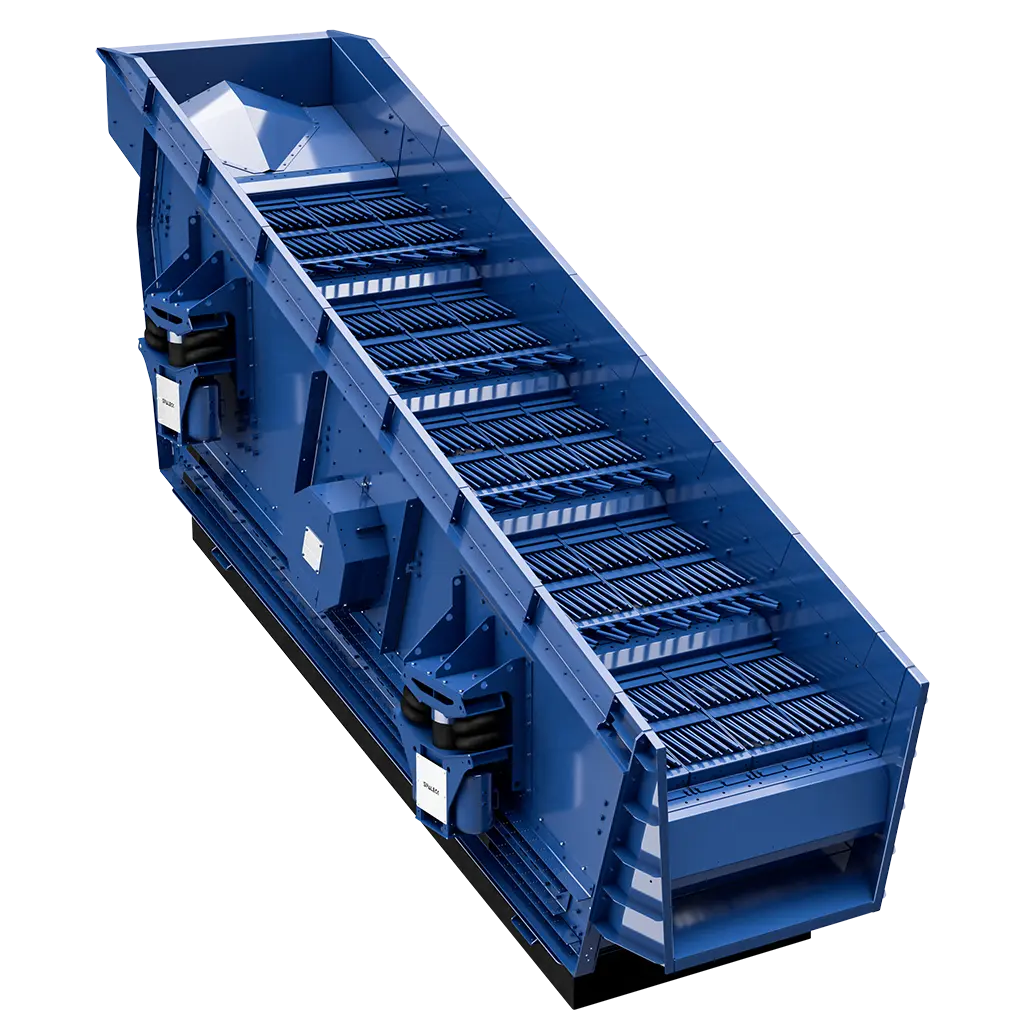
振動篩負責進行初步分級。 該機器配備了一個極易於接觸的防護罩。 這些篩網專為電子廢料而優化設計。

SPALECK 3C COMBI 篩分機

雙層篩分機

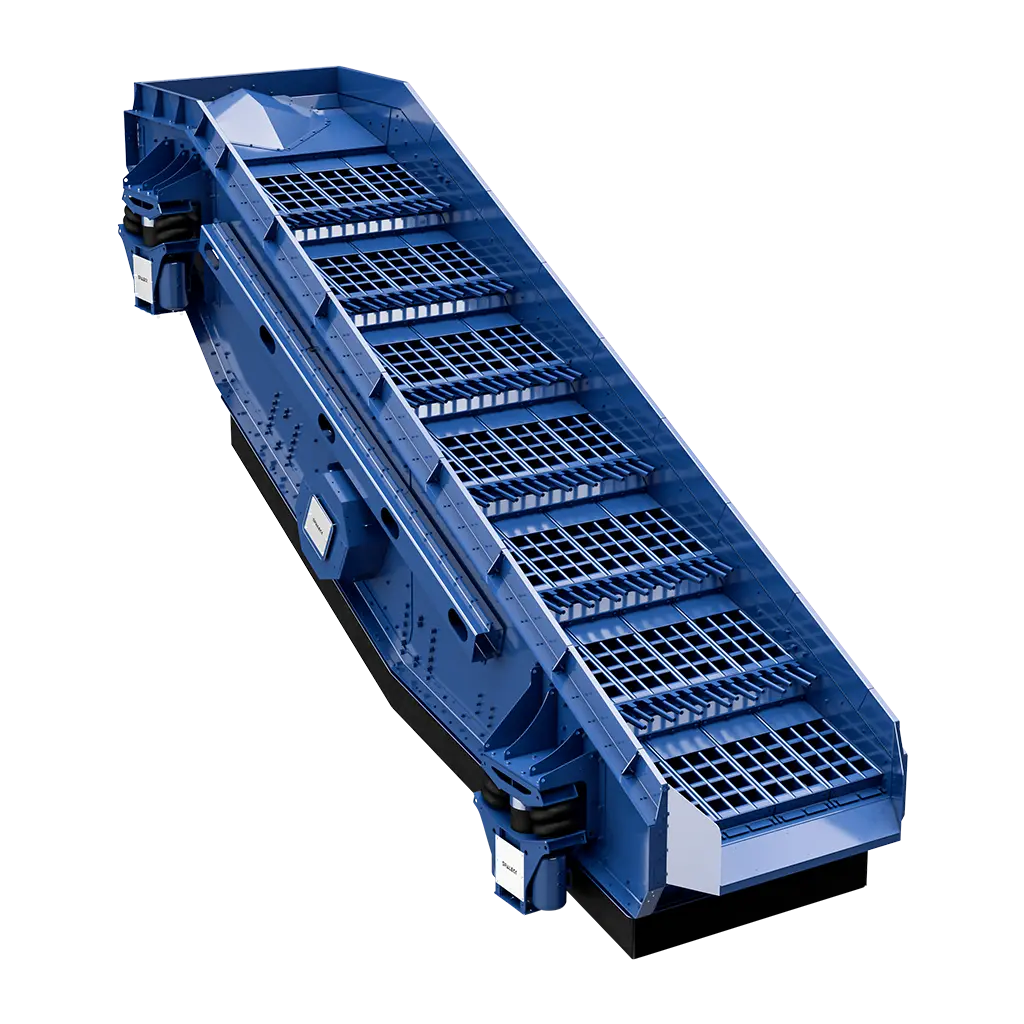
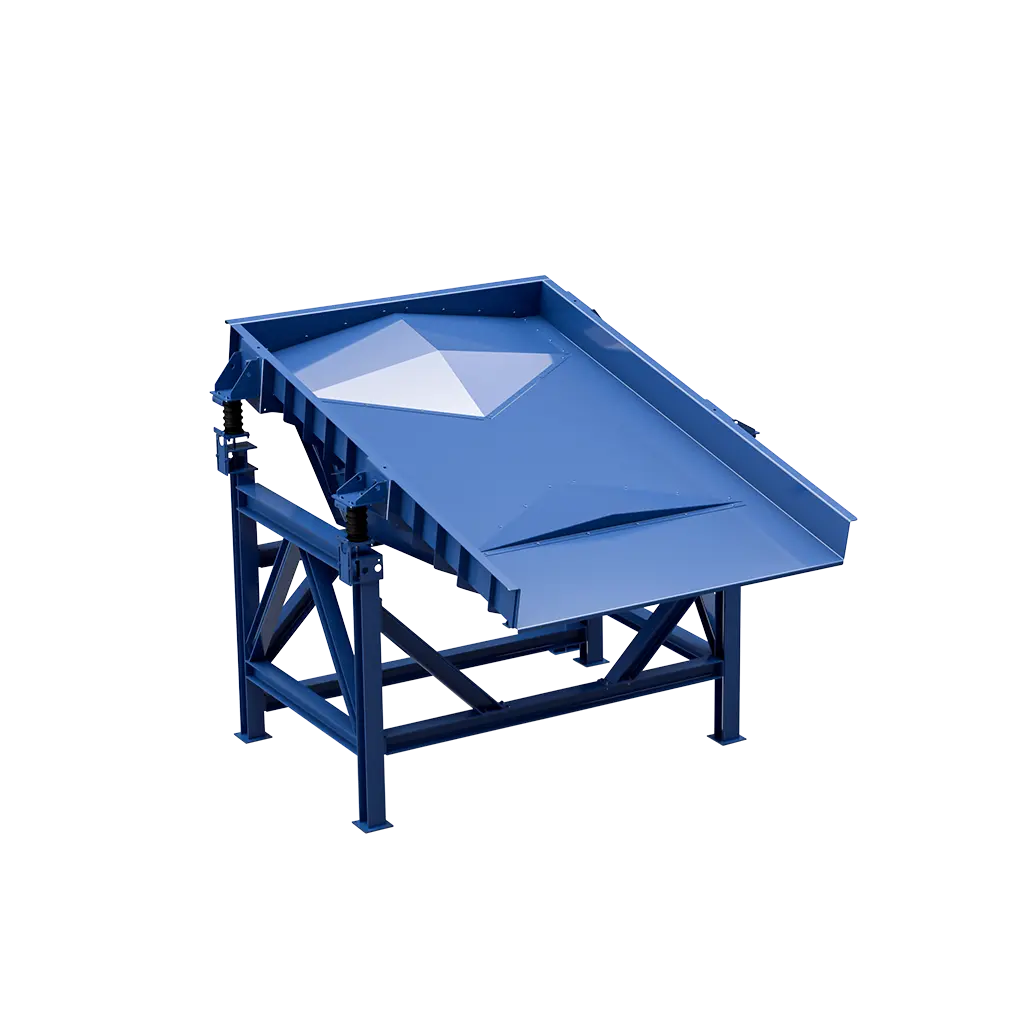
高處理量,搭配精確的篩分規格。 SPALECK 3D COMBI配備了經過清潔優化處理的篩盤,以及下層篩盤中的 Flip-Flow 篩網,可對物料進行分類。

SPALECK 振動輸送槽

振動輸送機

SPALECK輸送槽在電子廢棄物的分揀過程中扮演著重要角色:它們負責將物料輸送至分揀設備。 接著,他們會將物料均勻分佈,並以最適合分揀機的進料寬度送入機器。

SPALECK 回收產業用進料與篩分組合設備

進料與細顆粒篩分

這套特殊解決方案的目標是:在物料送入感測器分選系統之前,將可能殘留的細小物料篩除。 結果:輸送帶保持潔淨、分揀過程整潔,且分揀機的效能得到優化。

一名身穿白色襯衫的男子指向右側,此場景出現在「Immark」電子廢棄物回收的相關情境中。

與我們的篩分技術及物料輸送專家進行交流

立即討論電子廢棄物計畫

您想進一步了解如何針對現有或新建的電子廢棄物處理設施,優化篩分與物料輸送流程嗎? 那麼,讓我們來談談您的原料及其處理方式吧。 我很樂意向您展示更多參考案例與應用實例。

「現況」

廢電器電子產品(WEEE)回收中的複雜物料流

電子廢棄物是一種物質流極其複雜,且材料特性變化極大。 各類設備、結構形式及複合材料都必須得到可靠的回收處理——從印刷電路板、電纜,到外殼部件及金屬複合材料皆然。

經粉碎後,會產生一種在製程技術上要求極高的混合物,其中包含不同粒徑及材料密度的顆粒。 典型的組成成分包括非鐵金屬、含塑膠的成分、印刷電路板部件、電纜與電線殘餘物,以及不容小覷的玻璃、沙子和雜質等微細顆粒混合物。

若未進行針對性的分級與細顆粒分離,將在後續的回收過程中引發具體問題:

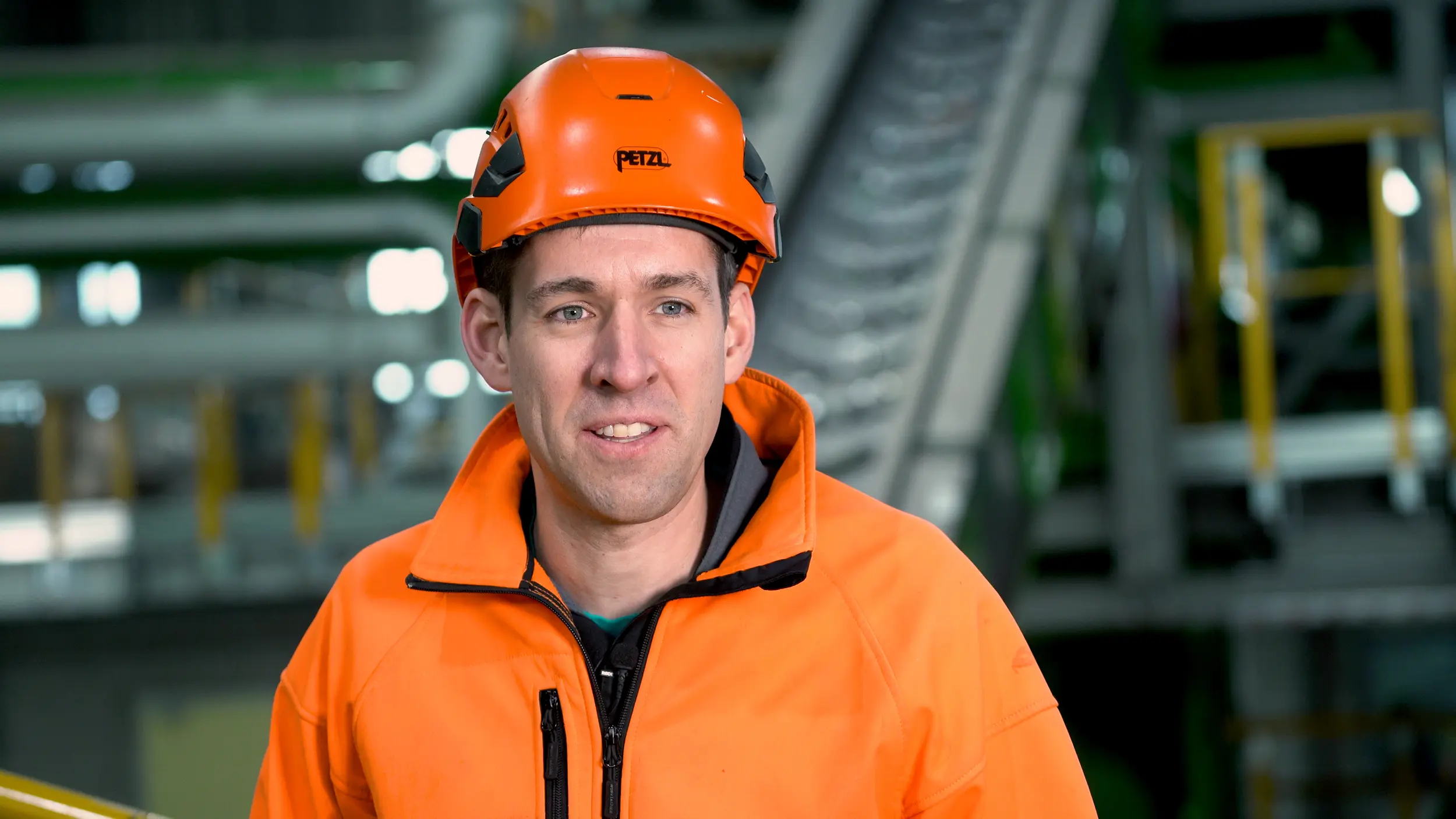
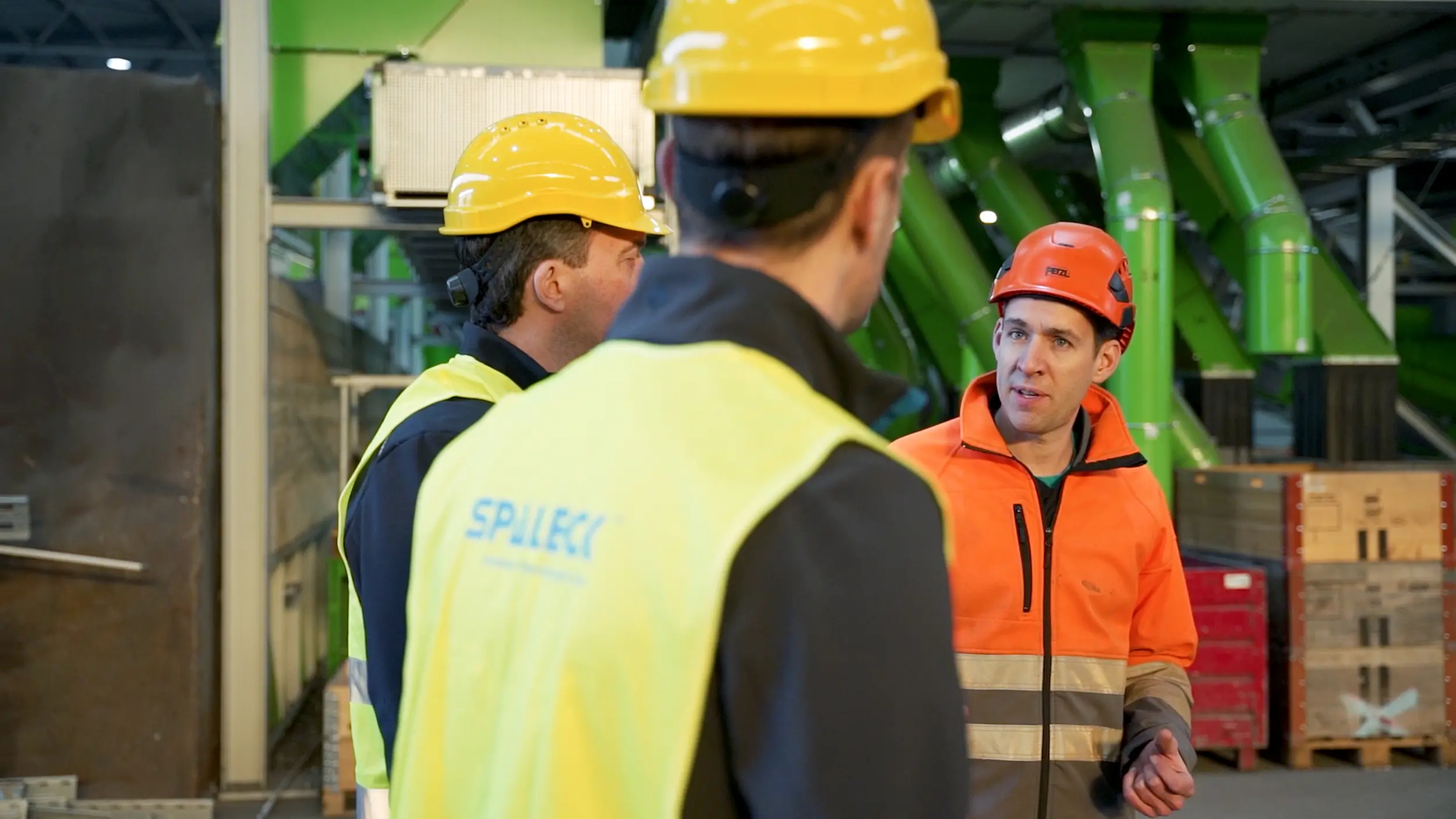
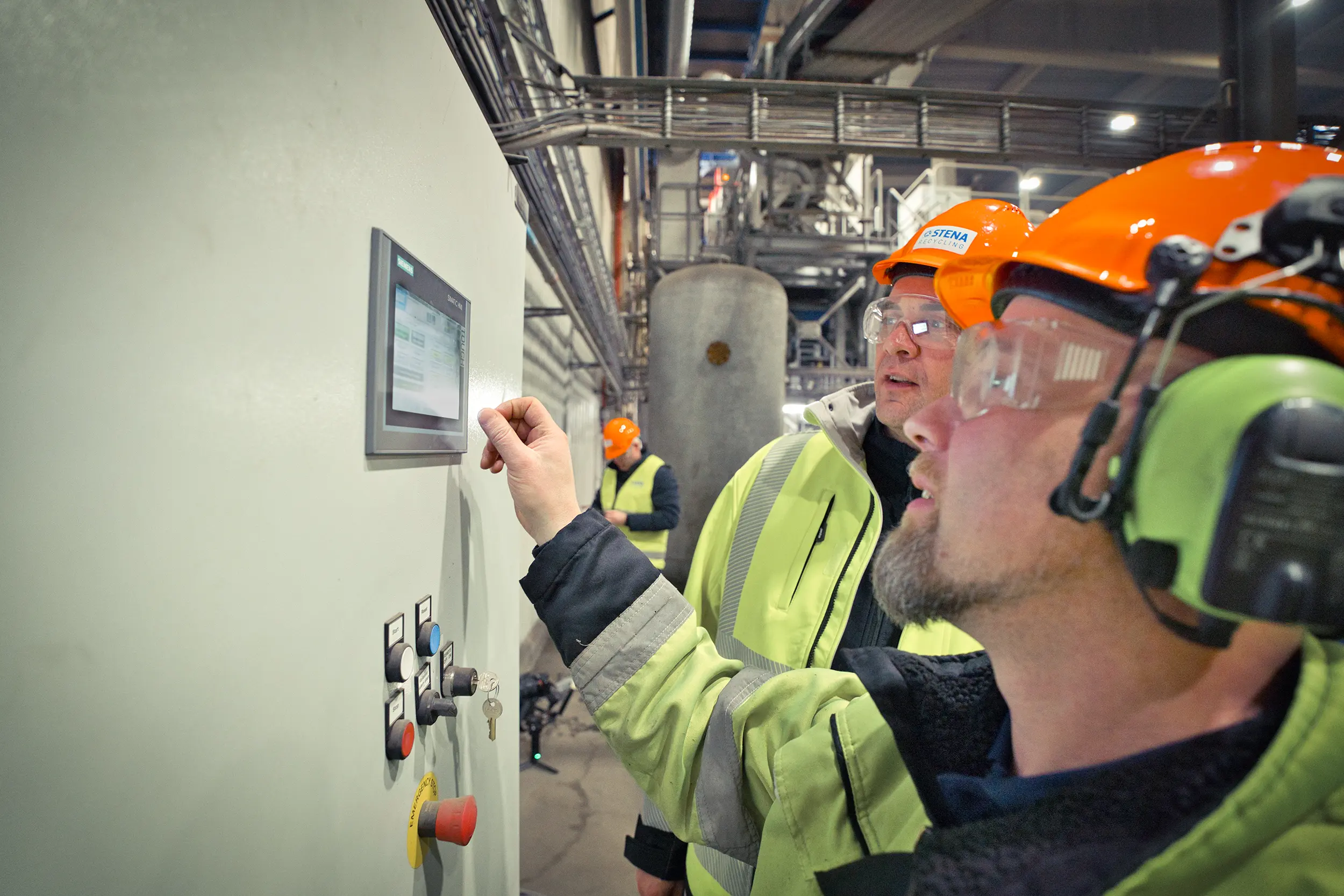
Immark 專案經理與 SPALECK 的兩位篩分機專家,正站在新電子廢料處理廠尚未破碎的原料前
回收的電子廢棄物會依材質進行分類——此處為純鋁

專案目標

預先定義的粒度分級,實現精確分選與經濟高效的處理

對 Immark 而言,重點在於利用電子廢棄物篩分機對粉碎後的物料進行預處理,使分揀設備能在最佳條件下進行分揀。 目標是從極其異質的廢電器電子設備(WEEE)物料流中,產生明確定義的類別,並避免混入泥土或長條狀雜質等雜質。

WEEE 處理的實際流程

從專案構想到高效能的電子廢棄物處理

這段影片展示了 Immark 與SPALECK如何從專案開發階段開始,透過在 SPALECK 測試中心進行大規模的篩分試驗,最終共同找出電子廢棄物處理的最佳解決方案。

You are currently viewing a placeholder content from YouTube. To access the actual content, click the button below. Please note that doing so will share data with third-party providers.

More Information

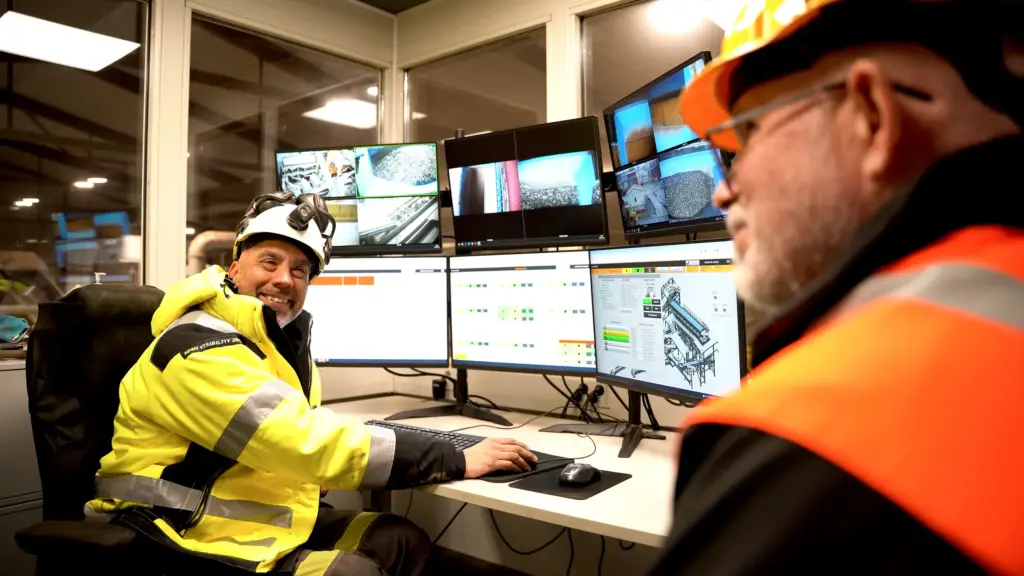
身穿防護服的員工們在回收廠內商討事宜。

spaleck 解決方案

在廢電器電子設備(WEEE)回收過程中,篩分與輸送技術可產生精確的物料流並創造最佳的分類條件

精確分級、可靠的細顆粒篩分以及優化的物料供給

客戶效益

回收專家如何評價 SPALECK 的 WEEE 回收方案

您在 WEEE 及電子廢棄物回收技術領域的專家

我們很樂意為您提供諮詢,協助您透過優化篩分物料輸送流程,提升電子廢棄物回收過程中的分選品質。

您的處理流程的「可移植性」

對《廢電器及電子設備指令》(WEEE)及電子廢棄物回收的經濟意義

Immark 的專案顯示,分選品質在多大程度上取決於上游的物料處理。

特別是在金屬回收及廢電器電子設備(WEEE)回收領域中,分類(篩分)、針對性細顆粒分離以及精確的物料輸送這三者的結合,將決定所採用的分選技術能以多高的效率和可靠性來偵測回收物料,並將其分選為各組成部分。

透過在SPALECK 測試中心進行的大規模篩分試驗,已能在前期就確定並驗證出最佳的機器配置。

所採用的回收技術可應用於需將異質物料流預處理,以便進行渦流分選及感測器分選的各種應用場景:

SPALECK 輸送槽為電子廢棄物回收線上的 TOMRA 感測分選機供料
一名身穿白色襯衫的男子用手指向右邊。

與我們的電子廢棄物專家交流

現在來討論下一步

您想進一步了解我們用於電子廢棄物的篩分機嗎? 或者,您是否正在規劃一個新專案,並希望針對您的材料進行免費且全面的篩分試驗? 那麼,現在就讓我們來談談您的材料吧。 我很樂意向您展示更多關於 SPALECK 篩分機在電子廢料處理領域的應用案例。

最佳放映。 最佳進料。 以實現最佳分選品質。

SPALECK ActiveFEED 的實際應用

更多 SPALECK 成功案例

您需要了解的一切

常見問題

以下是關於你在 SPALECK 工作的相關問題。 若仍有任何疑問,歡迎隨時與我們聯繫。

根據您具體的物料及預定的處理流程,可以可靠地確定哪種篩分技術適合您的電子廢料。 關鍵因素包括粒度分佈、細粒分級、確切的物料組成以及產能要求等。 在此基礎上,我們將開發出最佳的設計方案,並樂意在SPALECK 測試中心使用您的材料進行驗證。 此外,憑藉我們的modularDESIGN+ 設計理念,用於電子廢棄物回收的篩分機具有極高的靈活性,可根據需求進行調整。

是的,您可以瀏覽採用 SPALECK 篩分技術的電子廢棄物處理系統案例。 我們很樂意為您安排參觀現有設施,讓您能親臨現場,了解礦石處理流程及篩分品質的實際表現。 此外,我們誠摯邀請您將電子廢棄物帶到我們的SPALECK 測試中心進行篩選。

No, processing electronic scrap and metals such as SLF or ASR is no problem for SPALECK Screening technology. Our screening machines are configured to reliably handle different Material flows and similar applications. We determine the exact machine setting with you in advance.

The screening machine is designed to fit perfectly into your planned electronic waste processing plant. SPALECK screening machines are customized to your material, throughput, and process control. We take into account interfaces, installation conditions, and conveyor systems to ensure easy integration into your plant. It also happens that plant operators replace screening machines from other manufacturers with SPALECK screening machines in an existing facility. This is generally not a problem either.

Yes, you can test your electronic scrap in advance on SPALECK screening machines. In the SPALECK TestCenter, we carry out tests with your original material on two complete Recycling lines and thus analyze under real conditions which Separation sizes and screening machine design is optimal for your application. This provides you with a reliable basis and you can also use the screened material for further tests, e.g. with sorting machines. The tests in the SPALECK TestCenter are free of charge for you.

SPALECK Screening technology improves sorting performance in Electronic Waste recycling by Classifying (i.e. Screening) the Material flow into defined Particle sizes and removing interfering fines. This produces clearly defined fractions with a specific particle size from an unscreened mixture with a wide range of particle sizes. The equally sized parts are then separated by material using sorting equipment. The same size helps the sorting technology to better detect the individual components.

Fines must be removed from electronic scrap because they significantly impair the performance of the sorting technology used. The materials in the fines (e.g. sand, dirt, impurities) cause contamination in the sorting equipment, accumulate on larger parts and lead to incorrect rejections during electromagnetic, X-ray or sensor-based sorting. With the right Screening technology, the fines are reliably removed. A typical screening size here is 0 – 8 mm Particle size, which is screened off as fines.

The following materials, among others, are processed during Electronic waste recycling:

– Ferrous and non-ferrous metals
– Plastics
– Printed circuit boards and circuit boards
– Glass components
– Fine fractions from shredded composite materials
– Sand, dust and impurities

All of these materials must be specifically separated and processed in the Recycling process.

Classification, i.e. the screening process according to material size, is important in Electronic waste recycling because it separates the material stream into defined particle sizes. Modern sorting equipment can only clearly identify the materials and separate them precisely according to material components if the grain bands are uniform.

WEEE recycling is the processing of waste electrical and electronic equipment to recover recyclable materials such as ferrous and non-ferrous metals, plastics and circuit board components. The appliances are shredded, the shredded material is classified (screened) by size and then sorted mechanically and by material type using sensors.

準備好迎接更完善的篩檢

我們將攜手為您優化回收流程